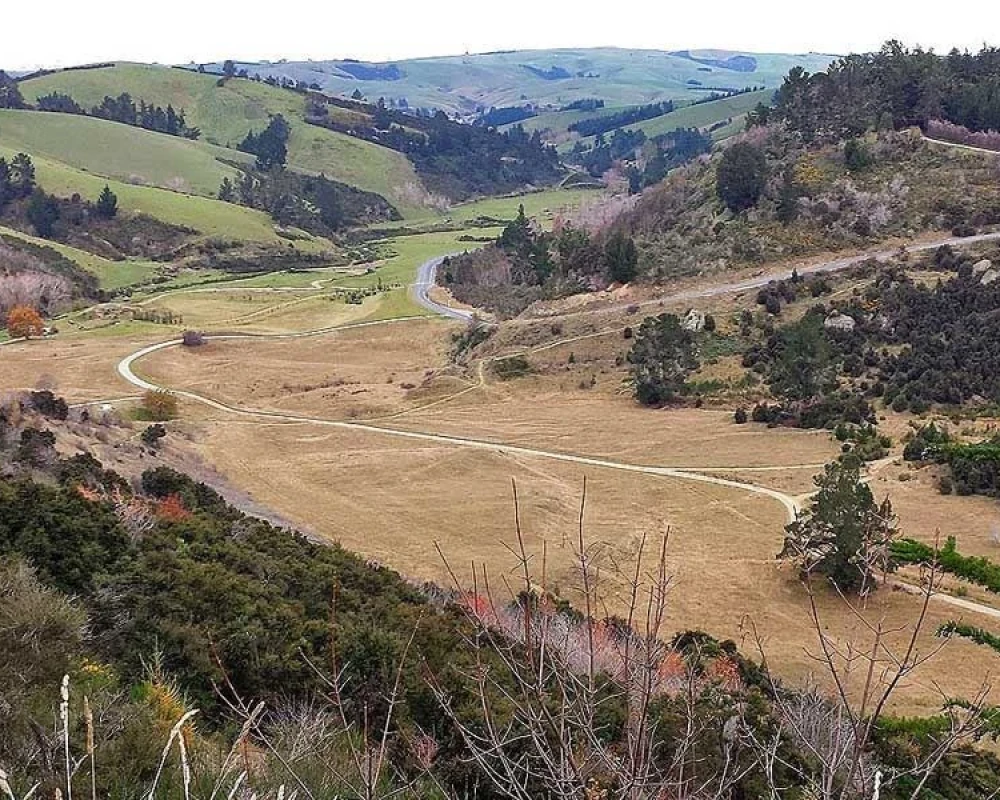
Gabriel’s Gully - Current.
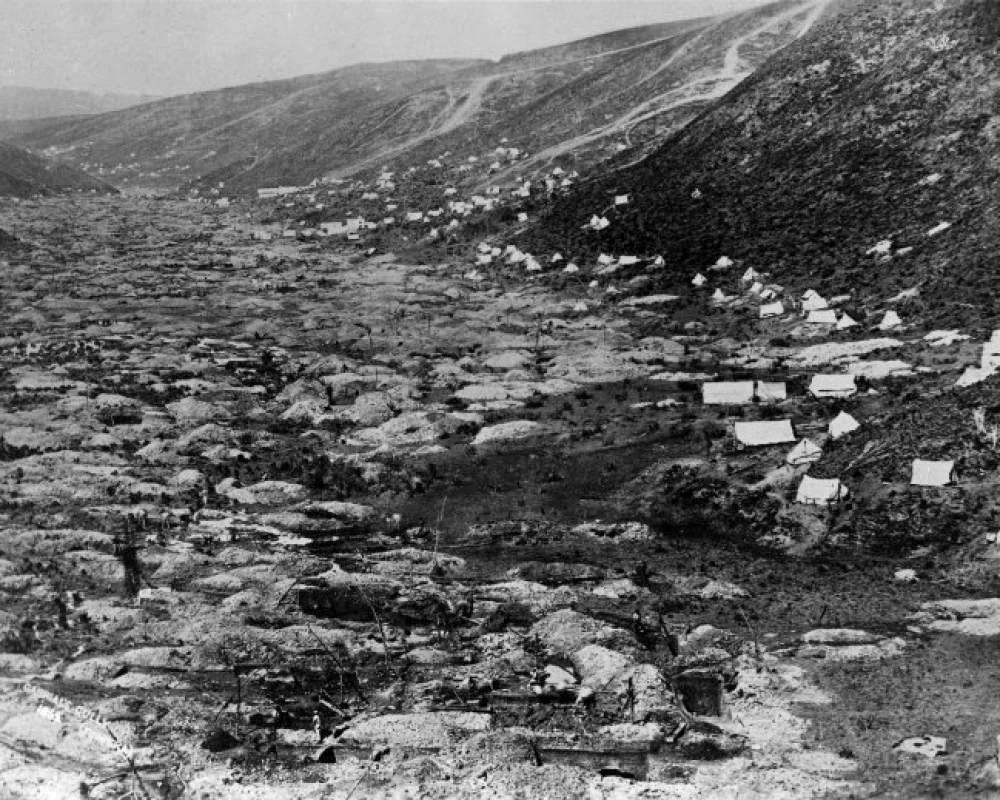
Gabriel's Gully during the height of the gold rush in 1862.
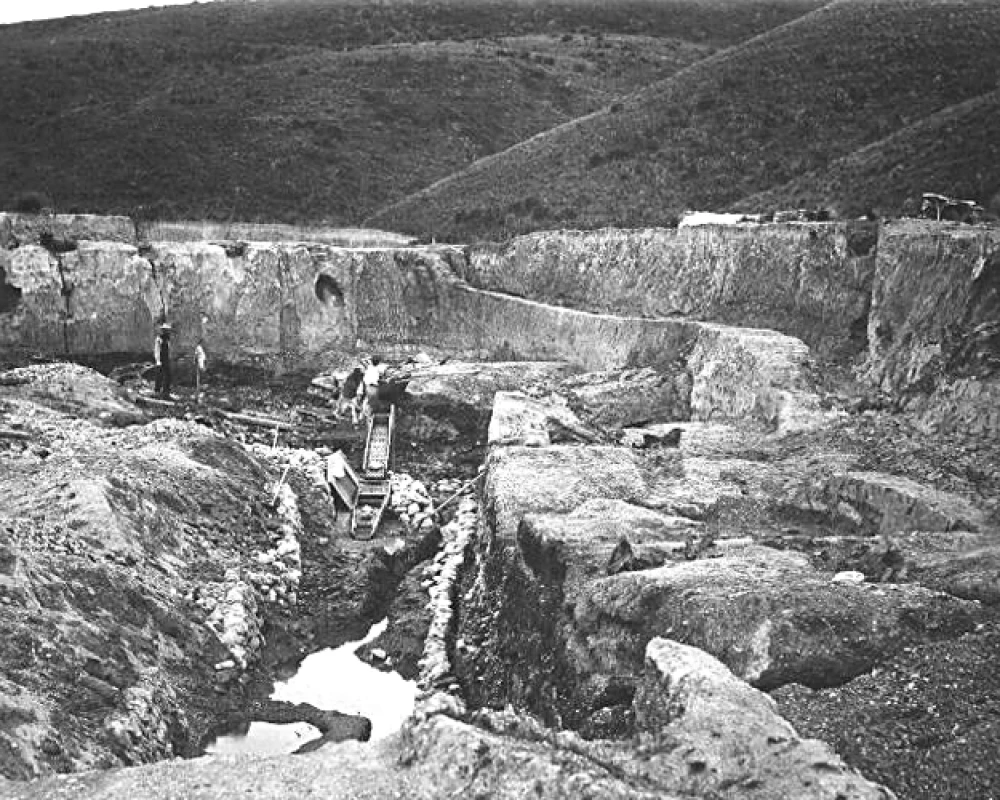
Herbert Deveril's gold rush era image of Gabriel's Gully in Otago, circa 1875
Posted by Paul on Jul 30, 2026, 5:32 PM


Gabriel's Gully - Lawrence
Gabriel’s Gully, near the town of Lawrence in Otago, is the site of New Zealand’s first major gold rush. On 25 May 1861, prospector Gabriel Read discovered payable gold in a small creek bed while working with a tin dish, butcher’s knife and spade. He later described the gold as “shining like the stars in Orion on a dark frosty night.” His find, confirmed in a letter published in the Otago Witness, triggered a dramatic transformation of the region.
Within months, thousands of diggers flooded the Tuapeka goldfields.
By the end of 1861 the population of the diggings had soared to around 11,500—twice that of Dunedin at the time—and by December estimates reached 14,000 across the wider fields.
Ships poured into Port Chalmers carrying fortune-seekers from Australia, California, Britain and beyond. Many walked the rough 100-kilometre track from Dunedin carrying their supplies.
The rush made Otago the wealthiest province in New Zealand and turned Dunedin into the country’s largest city for a period.
Miners first worked the rich alluvial gold in the modern stream sediments. Later they attacked the harder Blue Spur Conglomerate using hydraulic sluicing and elevating, dramatically reshaping the landscape.
The original gully floor now lies roughly 50 metres below the present surface.
Gold production from the Lawrence area was substantial in the early years, though the richest pickings soon declined and many diggers moved on to newer fields.
Today Gabriel’s Gully is a Historic Reserve managed by the Department of Conservation. A walking track with interpretive panels lets visitors explore the altered landscape, water races, sluicing faces and other mining remnants.
It's easy to do the 2.8km loop.
The site remains a powerful reminder of how one discovery in a quiet gully helped reshape New Zealand’s economy, population and identity in the 1860s.
GOLD PRODUCTION
Exact totals just for Gabriel’s Gully itself are hard to separate from the wider Lawrence/Tuapeka field, but official returns give clear figures for the peak years:
- 1861: 171,038 ounces from the Lawrence area (including Gabriel’s Gully and nearby claims)
- 1862: 199,547 ounces from the same area
Production then declined as the richest alluvial ground was worked out.
Later industrial-scale mining added more. The Blue Spur and Gabriel’s Gully Consolidated Company (operating 1888–1912) recovered 51,500 ounces. Some reworking of tailings continued into the 1920s and a little activity returned in the 1930s Depression years.
One historical estimate puts total gold from the broader Tuapeka district (of which Gabriel’s Gully was the starting point and a major part) at around 1.5 million ounces over its full working life. The early rush years of 1861–62 remain the most famous and productive period for the gully itself.

© 2026 Paul's Travel. All rights reserved | Privacy Policy