Posted by Paul on Aug 3, 2026, 9:10 AM


Hiking and Climbing Tips
Hiking and Climbing Safety Tips (New Zealand)
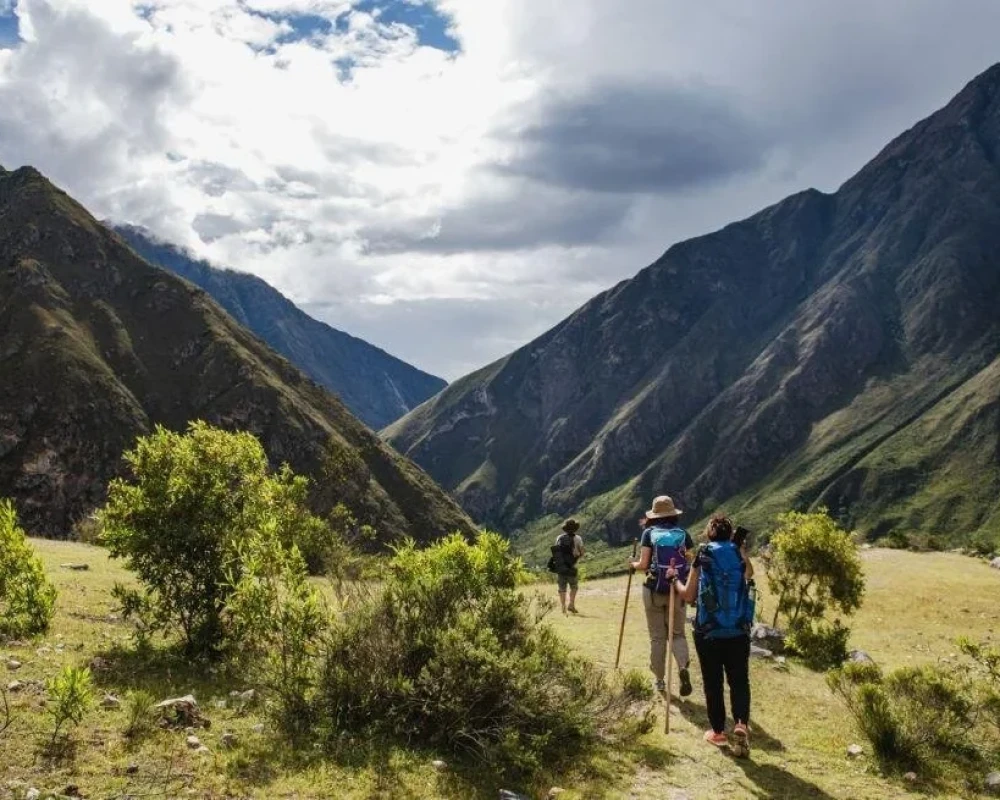
New Zealand’s mountains, tracks and alpine areas are beautiful but can change quickly. Weather, rivers and terrain create real risks. Good planning and the right gear keep most trips safe.
Key Safety Tips
- Choose the right trip — Match the track or climb to your fitness, experience and the weakest member of your group.
- Check conditions — Always look at the weather forecast, DOC track alerts and avalanche advisories before and on the day.
- Share your plans — Leave your route, expected return time and emergency contacts with a trusted person. Use the free Plan My Walk tool.
- Carry communication — Take a fully charged phone plus a personal locator beacon (PLB) for remote areas. Mobile coverage is often poor.
- Dress in layers — Pack warm clothing, a waterproof jacket and extra food even on short walks — NZ weather changes fast.
- Respect rivers — Never cross swollen or fast-flowing rivers. If in doubt, turn back.
- Stay together — Keep the group together, move at the pace of the slowest person, and make decisions as a team.
- Know your limits — Turn around if conditions deteriorate or anyone feels unwell or exhausted.
Essential Checklist
- Check DOC track alerts and weather forecast
- Share trip details with someone reliable
- Pack warm layers, rain jacket, hat and gloves
- Carry enough food, water and extra snacks
- Take a first-aid kit, head torch and PLB
- Wear sturdy footwear with good grip
- Know basic navigation and river-crossing skills
- Tell someone when you return safely
Follow the New Zealand Land Safety Code and check resources from the Department of Conservation (DOC) and the Mountain Safety Council before every trip.
Here are the key Department of Conservation (DOC) links for hiking and climbing safety in New Zealand:
Main DOC Website
- Official DOC site: https://www.doc.govt.nz
Useful Safety & Planning Pages
- Parks and recreation (tracks, huts, alerts): https://www.doc.govt.nz/parks-and-recreation/
- Be prepared / safety advice: Look for “Know before you go” or “Be prepared” sections on the site (includes the Land Safety Code tips).
- Track alerts: Available on individual track pages and regional alerts sections (e.g. search “alerts” + region on the DOC site). Always check these before heading out.
- Visitor centres: Contact details are listed at the bottom of most track and park pages for the latest local advice.
Recommended Companion Tool
- Plan My Walk (Mountain Safety Council, works closely with DOC): https://www.planmywalk.nz Free tool for trip planning, weather, track alerts, gear lists and sharing your plans.
Tip: On any specific track page on the DOC website, look for the “Alerts” and “Know before you go” sections — these give the most up-to-date safety information for that route.
Being prepared is not a crime.

© 2026 Paul's Travel. All rights reserved | Privacy Policy