3
Aug
Posted by Paul on Aug 3, 2026, 8:49 AM


Snow and Ice driving
Driving in Snow and Ice: Tips and Checklist
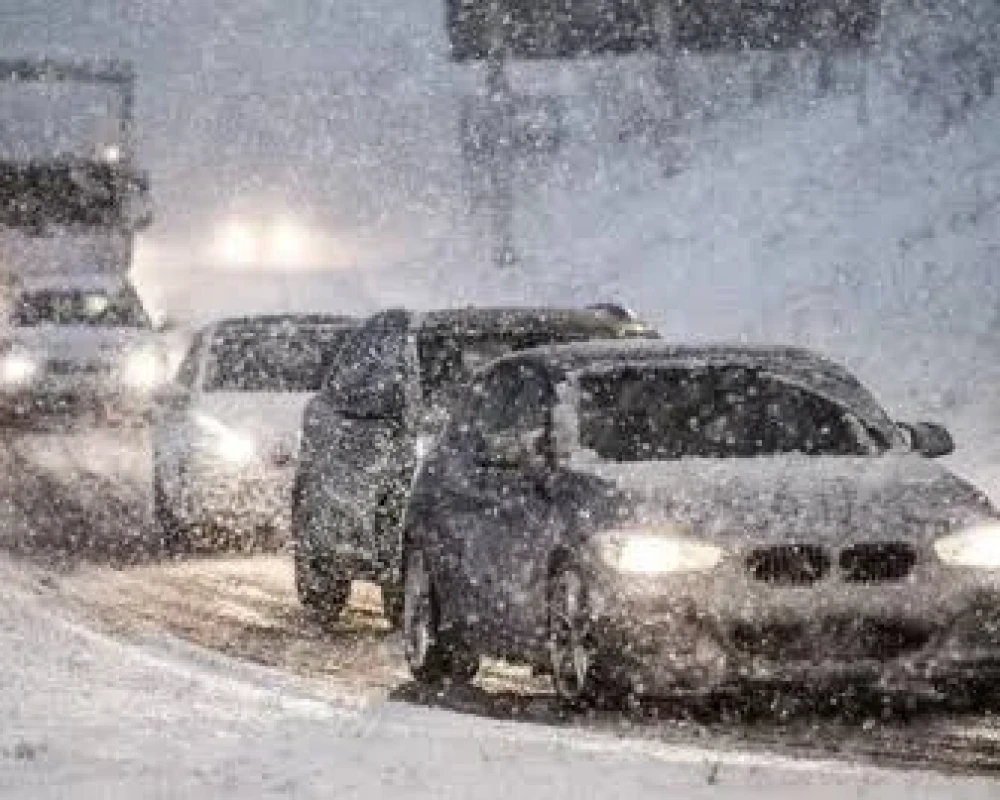
Driving on snow or ice requires caution, patience and smooth control. Roads become slippery, stopping distances increase dramatically, and visibility can drop quickly. The key principles are to slow down, leave plenty of space, and avoid sudden movements.
Essential Tips
- Reduce speed – Drive well below the normal limit. Even a light covering of snow or ice can make roads treacherous.
- Increase following distance – Allow at least 8–10 seconds between you and the vehicle ahead (much more than the usual 2–3 seconds).
- Brake and accelerate gently – Use light pressure on the pedals. Sudden braking or acceleration can cause skids.
- Steer smoothly – Make gradual steering inputs. If the vehicle starts to skid, ease off the accelerator and steer in the direction you want to go.
- Use a low gear – On steep hills or slippery surfaces, select a lower gear to help control speed without relying heavily on the brakes.
- Avoid cruise control – Keep full control of the vehicle at all times.
- Clear your vehicle – Remove all snow and ice from windows, mirrors, lights and the roof before driving.
- Know your tyres – Winter or all-season tyres with good tread offer better grip. Check pressure regularly (cold weather lowers it).
Pre-Drive Checklist
- Check tyre tread and pressure
- Clear all windows, lights and mirrors
- Top up antifreeze and washer fluid
- Ensure brakes, lights and wipers work
- Pack an emergency kit (blanket, torch, scraper, phone charger, warm clothes, food/water)
- Plan your route and check weather/road reports
- Allow extra travel time
If conditions become too severe, delay your trip or use public transport. Safe arrival is always more important than speed.

© 2026 Paul's Travel. All rights reserved | Privacy Policy