Posted by Paul on Aug 3, 2026, 8:18 AM


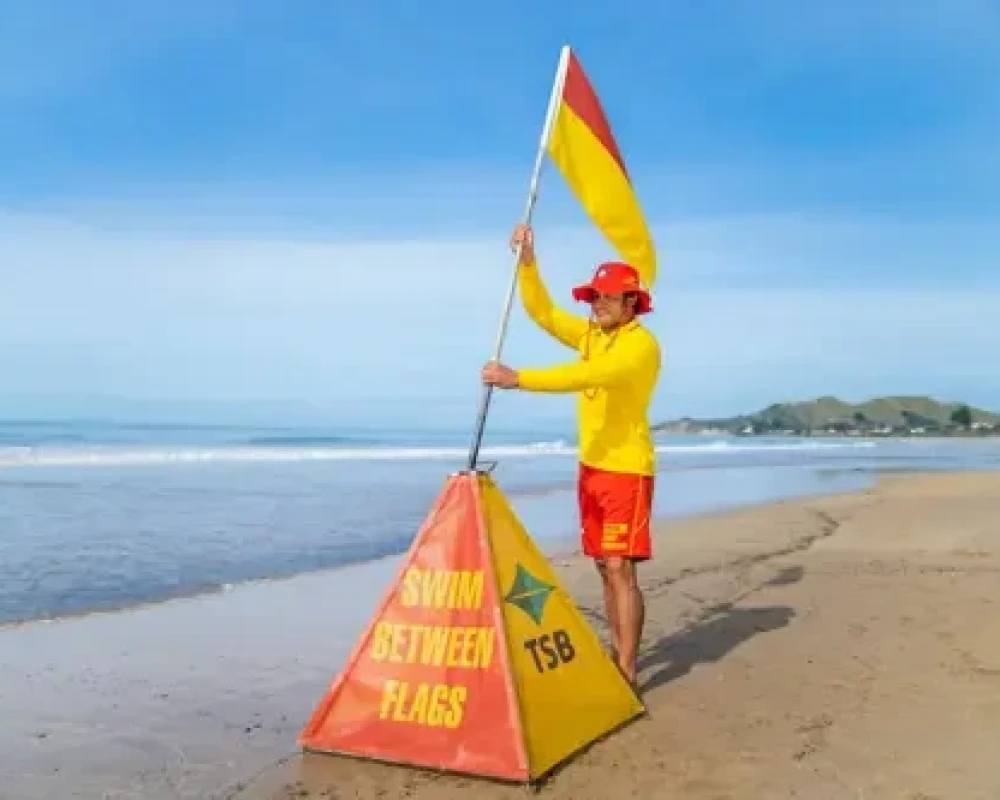
Swim between the flags.
Safe Swimming Guide
Swimming is enjoyable and healthy, but water can be unpredictable. Following basic safety rules greatly reduces the risk of accidents.
Always swim with a buddy and never alone. Children and weaker swimmers need constant adult supervision — stay within arm’s reach of young children. Check conditions before entering the water: look for warning flags, rip currents, sudden drop-offs, and water quality. Avoid swimming after heavy rain or in murky water. Never swim under the influence of alcohol or drugs, as they impair judgement and coordination.
Know your limits and stay within your depth and ability. If you get into trouble, stay calm, float on your back, and signal for help. Wear a life jacket when boating, paddling, or in open water if you are not a strong swimmer. Protect yourself from the sun with sunscreen, a hat, and shade, and stay hydrated.
Safe Swimming Checklist
- Swim with a buddy or group
- Supervise children closely at all times
- Check flags, currents, and water conditions
- Know your swimming ability and stay in safe depth
- Avoid alcohol and drugs before swimming
- Wear a life jacket when required
- Use sunscreen and stay hydrated
- Learn basic rescue and CPR skills
- Follow local rules and lifeguard advice
- Exit the water at the first sign of fatigue or cold
These simple habits help keep swimming safe and enjoyable for everyone.
| Organisation | Website | Best For |
|---|---|---|
| Water Safety New Zealand | watersafety.org.nz or watersafetynz.org | Overall drowning prevention, Water Safety Code, floating skills, swimming, general advice for beaches, rivers, lakes and pools |
| Maritime New Zealand | maritimenz.govt.nz/recreational/safety | Boating, lifejackets, skipper responsibilities, safety equipment, rules on the water |
| Surf Life Saving New Zealand | surflifesaving.org.nz | Beach and coastal safety, swimming between the flags, rip currents, lifeguard services |
| Coastguard New Zealand | coastguard.nz | Boating rescue, trip reports, bar crossings, emergency procedures, lifejacket advice |

© 2026 Paul's Travel. All rights reserved | Privacy Policy